
Get Fly Infestation Extermination
Local contractors provide fly infestation extermination services to eliminate flies and prevent future outbreaks in residential or commercial properties.
Fly infestations can quickly become a nuisance for property owners, impacting comfort and hygiene. If you're noticing an increase in flies around your home or business, exploring professional extermination options is a practical step to restore a clean and pest-free environment. Local service providers specializing in fly control have the experience and tools to address these issues effectively, making it easier to compare available solutions in your area.
Planning a pest control project involves understanding the range of services offered by local contractors and identifying the most suitable approach for your property. Whether dealing with a minor problem or a more widespread infestation, connecting with experienced professionals can help ensure the job is handled efficiently. Keep reading to learn more about how local fly extermination services can support your property’s needs.
- Fly Infestation Extermination - when flies have become a persistent nuisance in residential or commercial spaces.
- Fly Infestation Extermination - if flies are breeding indoors due to unnoticed waste or moisture issues.
- Fly Infestation Extermination - in cases where outdoor fly populations are invading and causing problems inside.
- Fly Infestation Extermination - when an increase in fly activity coincides with nearby decaying organic matter.
- Fly Infestation Extermination - if flies are disrupting food preparation areas or hospitality environments.
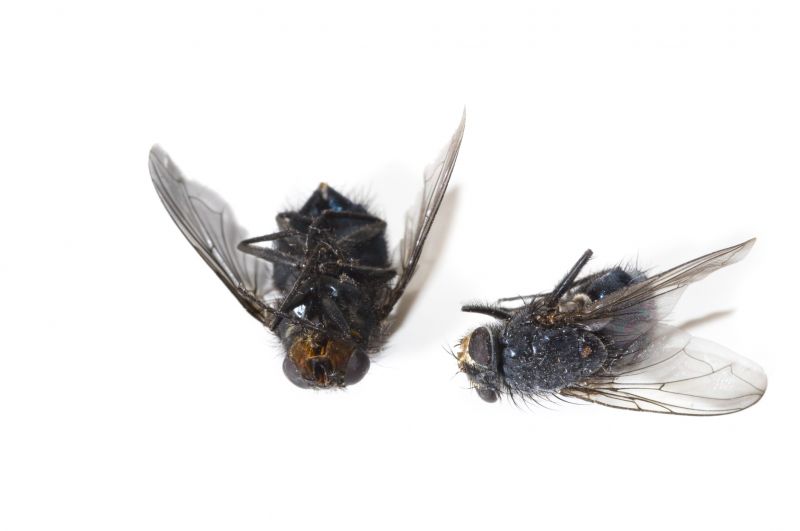
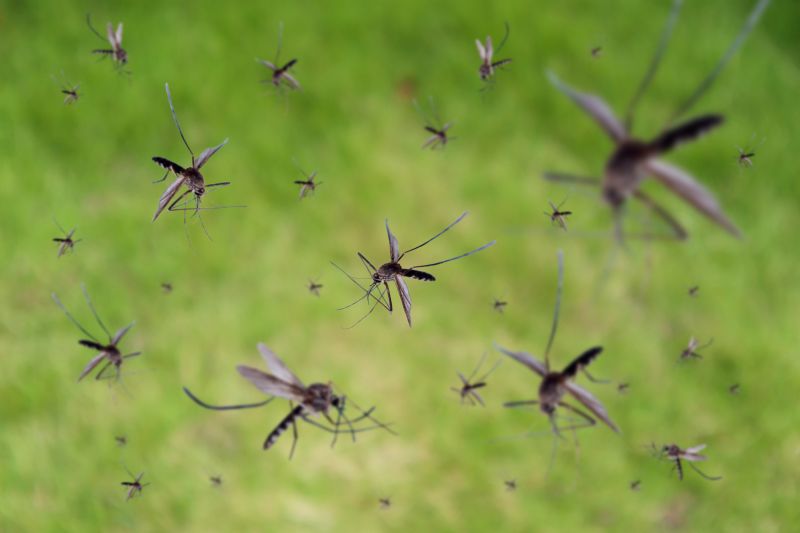
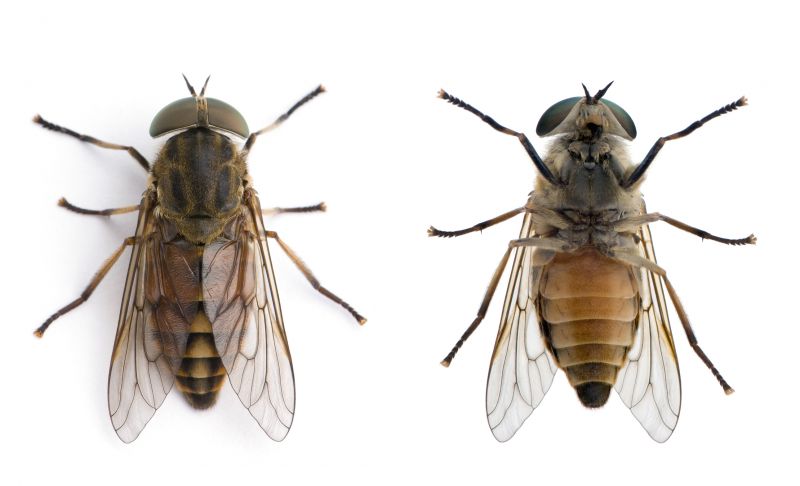
Fly infestation extermination services focus on identifying and eliminating flies that have become a nuisance or pose health concerns within residential or commercial properties. These services typically involve thorough inspections to determine the source of the infestation, followed by targeted treatment methods to reduce or remove fly populations. Techniques may include the use of traps, baits, and environmentally safe insecticides, as well as recommendations for sanitation improvements to prevent future issues. The goal is to create a clean, fly-free environment by addressing both the immediate problem and its underlying causes.
Fly problems can cause significant discomfort, especially in homes and food-related businesses, where flies are attracted to food waste, decaying organic matter, or unclean surfaces. Beyond the annoyance, flies can carry bacteria and pathogens that threaten health and safety. Extermination services help mitigate these risks by reducing fly populations quickly and effectively. They are also useful in situations where flies have become persistent or difficult to control through basic cleaning, requiring professional intervention to achieve lasting results.
Various types of properties benefit from fly extermination services, including residential homes, restaurants, grocery stores, and food processing facilities. Homes that experience frequent fly sightings, especially near trash bins or pet areas, may need professional help to eliminate breeding sites. Commercial properties involved in food preparation or storage often require ongoing fly control to meet health standards and protect their reputation. In any setting where flies threaten hygiene or comfort, local contractors can provide tailored solutions to address the specific needs of the property.
Homeowners and property managers should consider fly extermination services when they notice an increase in fly activity, foul odors, or visible breeding sites like maggots or fly eggs. Persistent flies that do not respond to basic cleaning or fly swatters may indicate an underlying issue that needs professional attention. By connecting with experienced service providers, property owners can effectively manage fly infestations, improve sanitation, and prevent future outbreaks. These services are an essential step toward maintaining a clean, safe, and comfortable environment.
The overview below groups typical Fly Infestation Extermination projects into broad ranges so you can see how smaller, mid-sized, and larger jobs often compare in your area.
In many markets, a large share of routine jobs stays in the lower and middle ranges, while only a smaller percentage of projects moves into the highest bands when the work is more complex or site conditions are harder than average.
Smaller Repairs - Typically, local contractors charge between $250 and $600 for routine fly infestation extermination jobs. Many standard treatments fall within this range, covering common residential issues. Costs may vary based on the severity and location of the infestation.
Moderate Infestations - Larger or more persistent fly problems often range from $600 to $1,200. These projects may involve additional treatments or targeted solutions, which are less common but necessary in more complex cases.
Severe or Commercial Jobs - For extensive infestations affecting commercial properties or multiple areas, costs can reach $1,200 to $3,000 or more. Such projects are less frequent but require comprehensive treatment plans by local service providers.
Full Property Treatment - Complete extermination of flies across an entire property can cost $3,000+ for larger, more complex projects. These are typically customized solutions and represent the higher end of typical job ranges handled by local pros.
Actual totals will depend on details like access to the work area, the scope of the project, and the materials selected, so use these as general starting points rather than exact figures.
Rodent Exclusion Services - these projects involve identifying entry points and sealing openings, skills that are essential for preventing fly infestations caused by pests entering through similar gaps.
Sanitation and Waste Management - proper disposal and cleanliness practices are crucial in controlling fly populations, making this a related service area for pest prevention professionals.
Drain and Sewer Cleaning - cleaning and maintaining drains helps eliminate breeding sites for flies, requiring similar planning and tools used in fly infestation control.
Wildlife Removal and Exclusion - removing animals that may attract flies involves inspection and sealing, skills applicable to managing fly breeding environments.
Moisture Control and Leak Repair - addressing moisture issues reduces fly breeding grounds, aligning with the planning and tools used in fly infestation mitigation.
Insect Pest Control - general pest control projects often include fly treatments, requiring comparable techniques and knowledge of pest behavior.
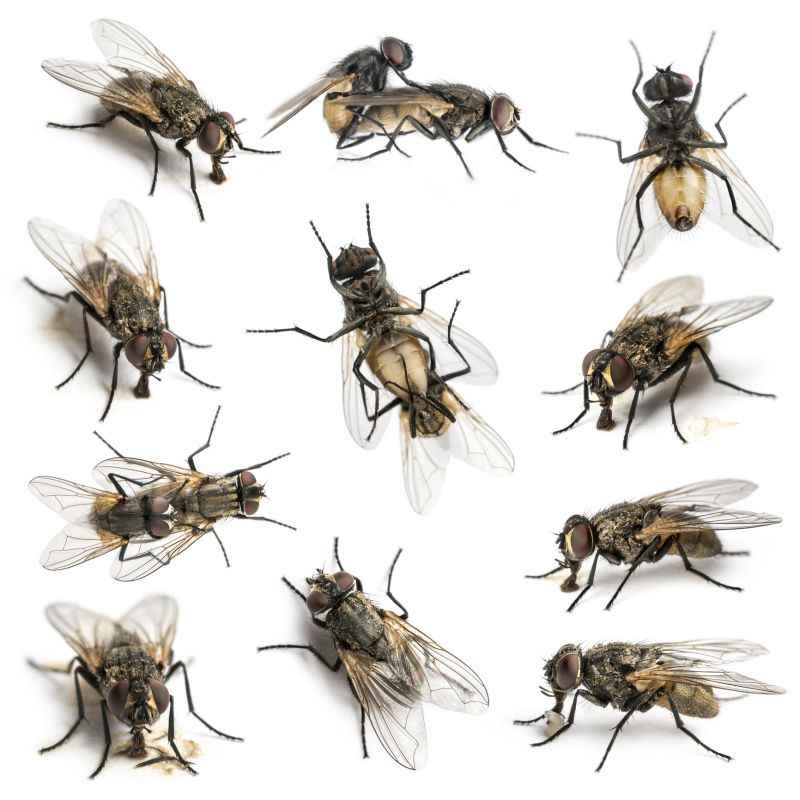
When comparing service providers for fly infestation extermination, it’s important to consider their experience with similar projects. Homeowners should look for local contractors who have a proven track record of handling fly problems in residential settings. An experienced professional will be familiar with the common causes of fly infestations and the most effective methods for addressing them, helping to ensure the job is done thoroughly and efficiently. While the site introduces homeowners to local options, it’s advisable to inquire about each contractor’s background to find those with relevant experience specific to fly control.
Clear and detailed written expectations are essential when evaluating potential service providers. Homeowners should seek out contractors who can provide a comprehensive explanation of their approach, including the steps involved in the extermination process and any follow-up measures. Having a clear understanding of what will be done helps set realistic expectations and minimizes misunderstandings. It’s also beneficial to confirm that the contractor’s scope of work aligns with the homeowner’s concerns, ensuring that all aspects of the fly problem will be addressed to satisfaction.
Reputable references and good communication skills are key factors in choosing a reliable local contractor. Homeowners can ask for references or reviews from previous clients to gain insight into the contractor’s professionalism and effectiveness. Additionally, good communication throughout the process-such as timely responses to questions and clarity about procedures-can make the experience smoother. While the website serves as a resource to connect homeowners with local service providers, it’s important to verify that the chosen contractor is known for trustworthy service and open communication to help ensure a successful outcome.
Property owners use Fly Infestation Extermination services for practical projects around their homes and businesses. This guide focuses on everyday jobs and straightforward project options.
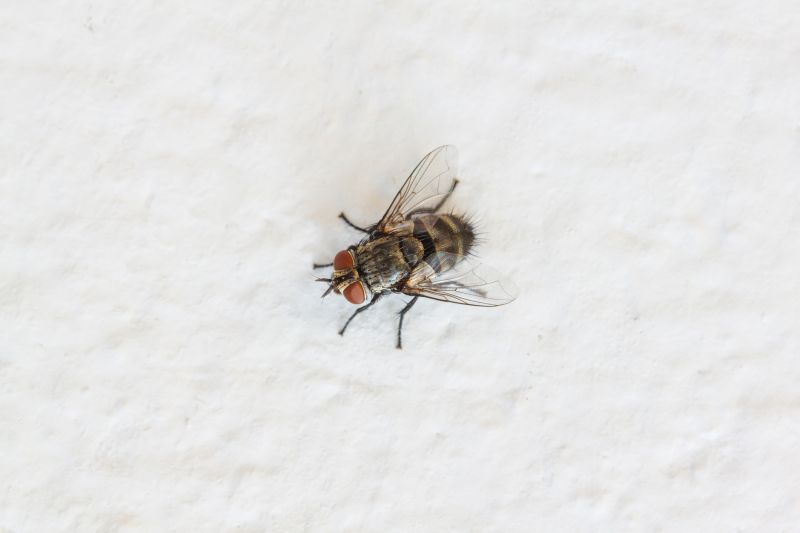
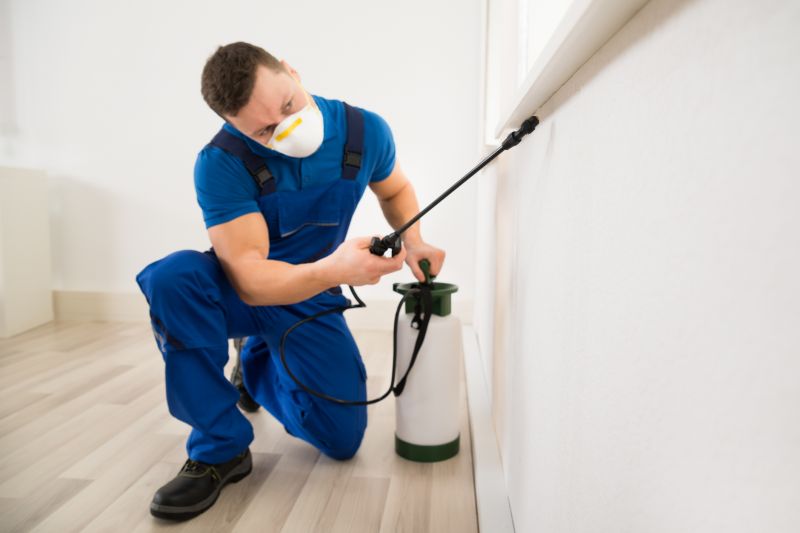
Fly infestations can become a common nuisance for property owners dealing with unsanitary conditions or attracting pests to their outdoor or indoor spaces. Whether it's a sudden increase in flies around a home, business, or storage area, many people seek the help of local contractors who specialize in fly extermination. These professionals can identify the source of the problem and implement targeted solutions to reduce fly populations, helping to restore comfort and cleanliness to the property.
Property owners often look for fly extermination services when they notice persistent or recurring fly issues that disrupt daily activities or compromise hygiene standards. Situations such as waste accumulation, standing water, or unsealed entry points can attract flies, prompting the need for expert intervention. Local service providers are equipped to handle these situations efficiently, offering removal and prevention strategies tailored to the specific needs of each property.
What are common signs of a fly infestation? Signs include a large number of flies around windows, garbage areas, or inside the home, as well as the presence of fly larvae or eggs in drains and trash bins.
How do local contractors typically eliminate fly infestations? They often use a combination of sanitation, targeted insecticides, and traps to reduce fly populations and address sources of breeding.
Are there specific areas where flies tend to breed in homes? Flies commonly breed in moist, organic matter such as drains, trash cans, compost piles, and areas with spilled food or liquids.
Can fly infestations be prevented? Proper sanitation, waste management, and eliminating standing water can help prevent fly breeding sites and reduce the likelihood of an infestation.
What should be done if a fly infestation persists? Contacting local service providers can help identify and treat underlying sources, ensuring effective removal and control of the infestation.
Fly Infestation Prevention - Property owners can use this service to identify and eliminate potential breeding sites around their home, reducing the risk of future infestations.
Indoor Fly Removal - When flies become a nuisance inside, local contractors can provide targeted treatments to restore comfort and hygiene.
Outdoor Area Fly Control - For outdoor gatherings or patios, professionals can help manage fly populations to maintain a clean and enjoyable environment.
Sanitation and Cleanup Services - After an infestation, property owners can rely on service providers to thoroughly clean and remove attractants, preventing recurrence.
If you are thinking about Fly Infestation Extermination for a property, this guide is meant to help you understand the work, the typical project types, and how different options might fit your plans.
When you are ready, you can use the quote form on this page to share a few details about your project. From there, local pros can review the basics and respond with options that match what you have in mind.