
Get Gas Line Installation
Gas line installation services help property owners safely set up or replace natural gas lines for appliances, heating systems, and outdoor projects with experienced local contractors.
Property owners considering gas line installation often explore this work to enhance their home's functionality and convenience. Whether upgrading an existing system or installing new connections for appliances, planning these projects requires careful comparison of local service providers to find experienced contractors who can meet specific needs. Staying informed about available options helps ensure the work is completed safely and efficiently, making it a practical step for those looking to improve their property.
By exploring local contractors who specialize in gas line services, property owners can evaluate different approaches and solutions tailored to their project goals. This process of comparison allows for a clearer understanding of the services available in the area, helping to identify qualified professionals capable of handling the work reliably. Continuing to read can provide useful insights into selecting the right service providers for your gas line installation needs.
- Gas Line Installation - needed when installing new gas appliances or appliances that require a reliable gas supply.
- Gas Line Repair - necessary if there are leaks, corrosion, or damage to existing gas lines.
- Gas Line Replacement - required when old or unsafe gas lines need to be upgraded or fully replaced.
- Gas Line Inspection - essential for assessing the safety and integrity of existing gas piping systems.
- Gas Line Upgrades - sought when enhancing or expanding a property's gas infrastructure for increased capacity or efficiency.
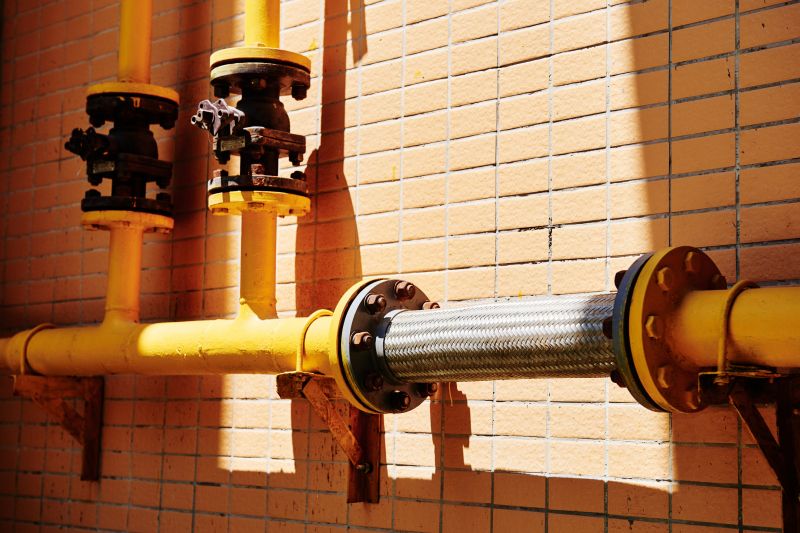
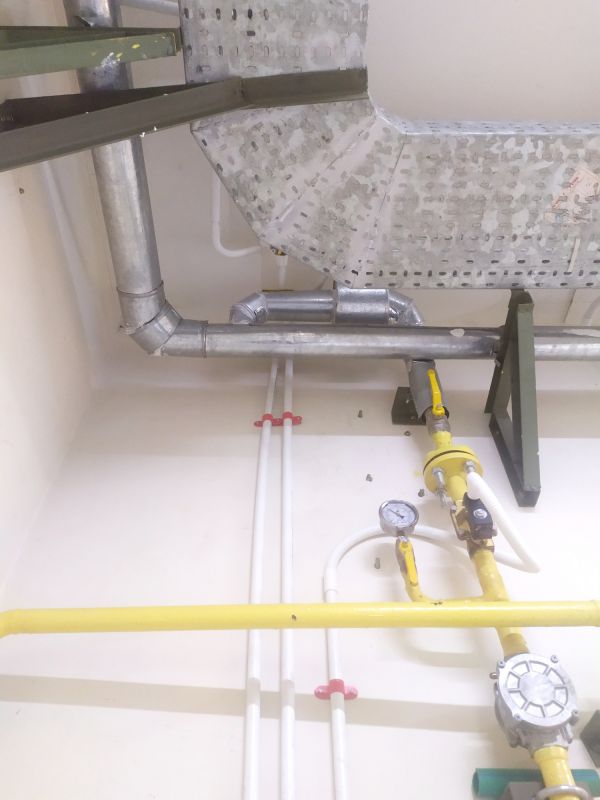
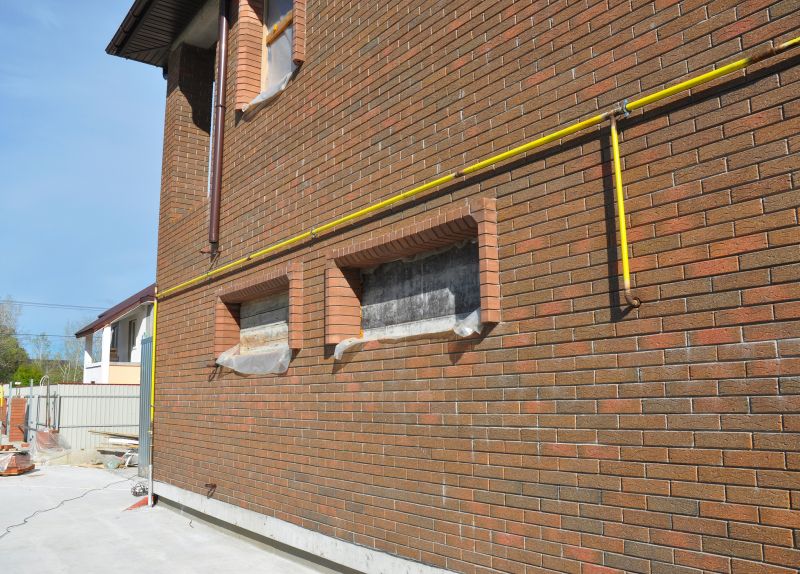
Gas line installation services involve setting up the piping system that supplies natural gas or propane to a property. This process includes assessing the property’s layout, selecting appropriate materials, and properly installing the gas lines to ensure safe and reliable delivery of fuel. Professionals handle all aspects of the installation, including connecting the lines to appliances such as stoves, water heaters, fireplaces, and outdoor grills. Proper installation is essential for maintaining safety standards and ensuring the efficient operation of gas-powered devices within the home or commercial property.
This service helps address common problems like outdated or damaged gas lines, which can pose safety hazards or lead to inefficient appliance performance. Installing new gas lines can also be necessary when adding new appliances or expanding a property’s gas-powered systems. In some cases, gas line installation is required after renovations or repairs that involve rerouting existing piping. By working with experienced local contractors, property owners can ensure that their gas systems are installed correctly, reducing the risk of leaks, outages, or other safety issues.
Gas line installation services are typically used in residential properties, including single-family homes, townhouses, and condominiums. They are also common in commercial buildings such as restaurants, hotels, and industrial facilities that rely on gas for heating, cooking, or manufacturing processes. Properties that require the addition of new appliances, upgrades to existing systems, or replacement of old piping often seek out professional installation services. These projects usually involve careful planning to meet safety standards and local codes, making it important to work with qualified service providers.
Homeowners who notice issues like the smell of gas, inconsistent appliance performance, or the need to upgrade their existing piping may need gas line installation services. Additionally, property owners planning renovations or new construction that involves gas appliances should consider professional installation. Local contractors can evaluate the property’s specific needs, recommend suitable solutions, and handle the installation process to ensure the system functions safely and efficiently. Contacting experienced service providers can help ensure that gas systems are installed correctly and maintained for reliable operation.
The overview below groups typical Gas Line Installation projects into broad ranges so you can see how smaller, mid-sized, and larger jobs often compare in your area.
In many markets, a large share of routine jobs stays in the lower and middle ranges, while only a smaller percentage of projects moves into the highest bands when the work is more complex or site conditions are harder than average.
Smaller Repairs - Typical costs for minor gas line repairs or upgrades usually fall between $250 and $600. Many routine jobs in this range are straightforward and involve minimal labor and materials.
Partial Replacement - Replacing a section of a gas line or upgrading existing piping often costs between $600 and $2,000. These projects are common and tend to stay within this middle range, depending on the complexity.
Full Gas Line Replacement - Complete replacement of a gas line system can range from $2,500 to $5,000 or more for larger, more complex projects. Fewer projects reach this upper tier, which involves extensive work and materials.
New Gas Line Installation - Installing new gas lines for appliances or additions typically costs between $1,000 and $3,500. The final price varies based on the size of the property and the extent of the installation work.
Actual totals will depend on details like access to the work area, the scope of the project, and the materials selected, so use these as general starting points rather than exact figures.
Natural Gas Line Installation - local contractors can handle the installation of natural gas lines for residential or commercial properties, requiring similar planning and piping skills.
Propane Line Setup - professionals experienced in gas line work can also install propane supply lines for appliances and outdoor equipment.
Gas Fireplace and Stove Installation - installing gas-powered fireplaces or stoves involves precise piping and venting knowledge comparable to gas line installation.
Indoor Gas Appliance Hookups - connecting appliances like water heaters or dryers to gas lines requires similar expertise in piping and safety considerations.
Underground Utility Line Installation - laying underground utility lines, including gas, involves planning, trenching, and careful handling of piping systems.
HVAC Gas Line Connections - connecting HVAC systems that use gas for heating involves skills in piping, venting, and system integration similar to gas line services.
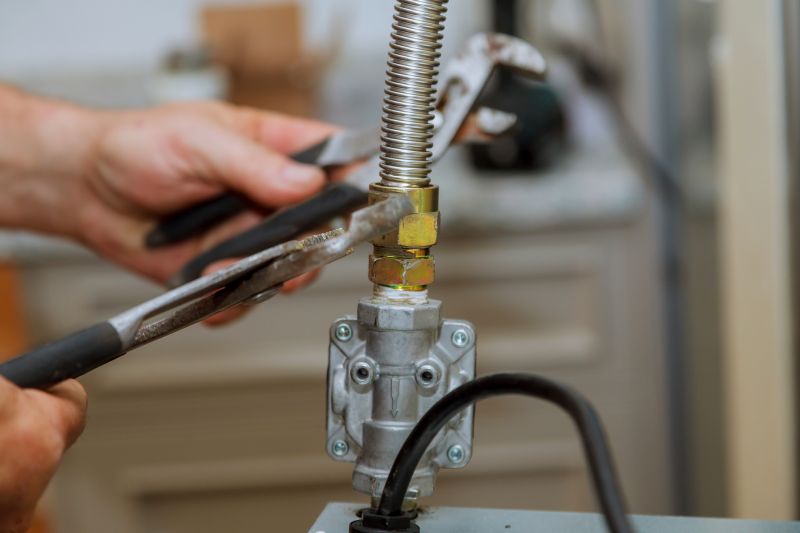
When evaluating potential service providers for gas line installation, it’s important to consider their experience with similar projects. Homeowners should look for local contractors who have a proven track record in handling gas line work comparable to their specific needs. Asking about past projects can help determine if a professional has the appropriate background and expertise to manage the complexities and safety considerations involved in gas line installation.
Clear, written expectations are a key factor in choosing the right contractor. A reputable local service provider should be able to offer detailed descriptions of the scope of work, materials to be used, and the steps involved in the installation process. Having these details documented helps ensure that both parties are aligned on the project’s requirements and can serve as a reference throughout the work, reducing misunderstandings or surprises.
Good communication and reputable references are essential when selecting local pros for gas line services. Homeowners should seek out providers who are responsive, transparent, and willing to answer questions thoroughly. Additionally, asking for references or reviews from previous clients can provide insights into the quality of workmanship and professionalism. These factors help create confidence that the chosen service provider is capable of delivering a reliable and well-managed installation, making it easier to compare options and find the right fit for the project.
Property owners use Gas Line Installation services for practical projects around their homes and businesses. This guide focuses on everyday jobs and straightforward project options.
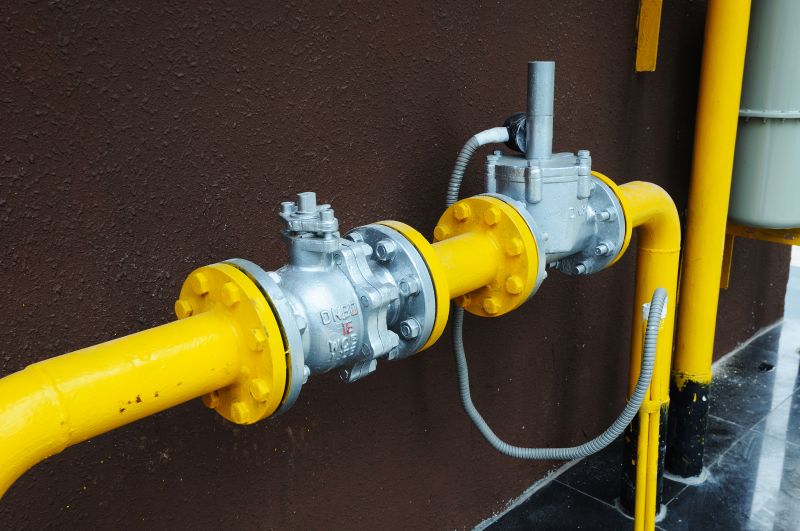
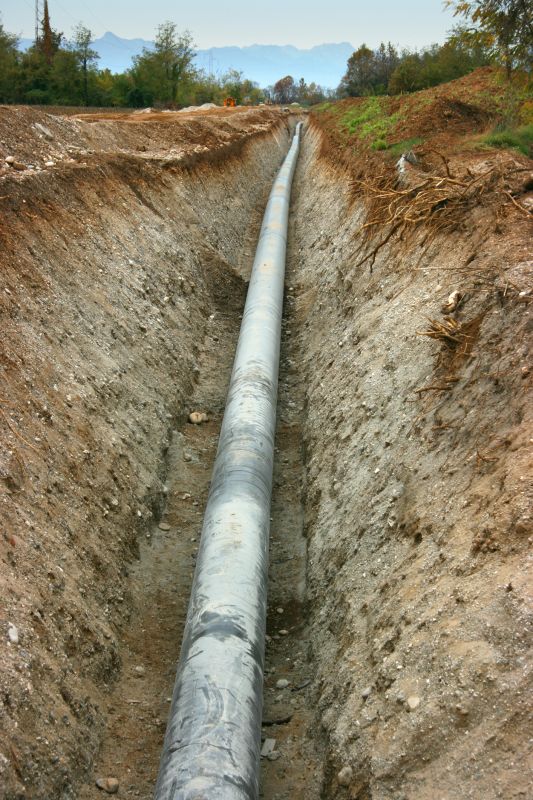
Gas line installation services are commonly needed when property owners are adding new appliances, upgrading existing systems, or renovating their homes. Whether installing a new stove, water heater, or outdoor grill, having a reliable gas line in place is essential for safety and functionality. Local contractors can assist with these projects, ensuring proper connection and compliance with safety standards, making it easier for property owners to enjoy their appliances without concern.
In addition, property owners might seek gas line installation when experiencing issues with their current setup or planning to expand their outdoor living spaces. Service providers in the area can handle repairs or upgrades, helping to improve efficiency and safety. Connecting with experienced local contractors ensures that these everyday projects are completed correctly, providing peace of mind for homeowners and property managers alike.
What is involved in gas line installation? Gas line installation typically includes planning the route, inspecting the area, and connecting the gas supply to appliances or fixtures using appropriate materials and techniques.
Are there different types of gas lines for residential use? Yes, common types include steel, flexible corrugated stainless steel tubing (CSST), and black iron pipes, each suitable for specific applications and building codes.
How do local contractors ensure proper gas line installation? They follow industry standards and local building codes, using proper materials and techniques to ensure safe and reliable connections.
What should I consider before installing a new gas line? Consider the location of appliances, the size and capacity needed, and consulting with local service providers to determine the best approach for your property.
Can existing gas lines be modified or extended? Yes, experienced contractors can modify or extend existing gas lines, ensuring connections are secure and meet safety standards.
Indoor Gas Line Installation - Property owners can add gas lines for new appliances like stoves or water heaters to improve convenience and functionality.
Outdoor Gas Line Setup - Homeowners might install gas lines for outdoor features such as grills, fire pits, or patio heaters to enhance outdoor living spaces.
Gas Line Repair and Replacement - Property owners can ensure safety and efficiency by replacing old or damaged gas lines in their homes or businesses.
Gas Line Inspection Services - Regular inspections help property owners identify potential issues early and maintain safe, reliable gas connections.
If you are thinking about Gas Line Installation for a property, this guide is meant to help you understand the work, the typical project types, and how different options might fit your plans.
When you are ready, you can use the quote form on this page to share a few details about your project. From there, local pros can review the basics and respond with options that match what you have in mind.