
Get Stone Column Installation
Stone column installation services help property owners stabilize soft or expansive soils and support heavy structures in projects like foundations, retaining walls, and ground improvement.
If you are considering ground stabilization or foundation support for your property, stone column installation services may offer a practical solution. Property owners in the area often explore this approach to improve soil strength, prevent settling issues, or enhance the longevity of structures. Whether planning a new construction project or seeking to reinforce an existing property, understanding the options available can help in making informed decisions. Keep reading to learn how local contractors can assist with stone column installation and what factors to consider when comparing service providers.
Connecting with experienced local contractors can provide valuable insights into the benefits and suitability of stone column systems for specific property needs. These professionals can evaluate site conditions, recommend appropriate solutions, and help plan projects effectively. Exploring your options and consulting with local specialists ensures that the work aligns with your property’s requirements and long-term goals. Continue exploring to discover how local service providers can support your property improvement plans.
- Commercial Development - When constructing new commercial buildings or parking lots that require stable ground support.
- Residential Foundations - For homeowners needing to improve or stabilize the foundation of a house.
- Slope Stabilization - In cases where land slopes threaten to shift or erode, requiring reinforcement.
- Underground Utility Support - To provide reliable support for utility lines and underground infrastructure.
- Environmental Remediation - When addressing soil stability issues caused by previous construction or natural factors.
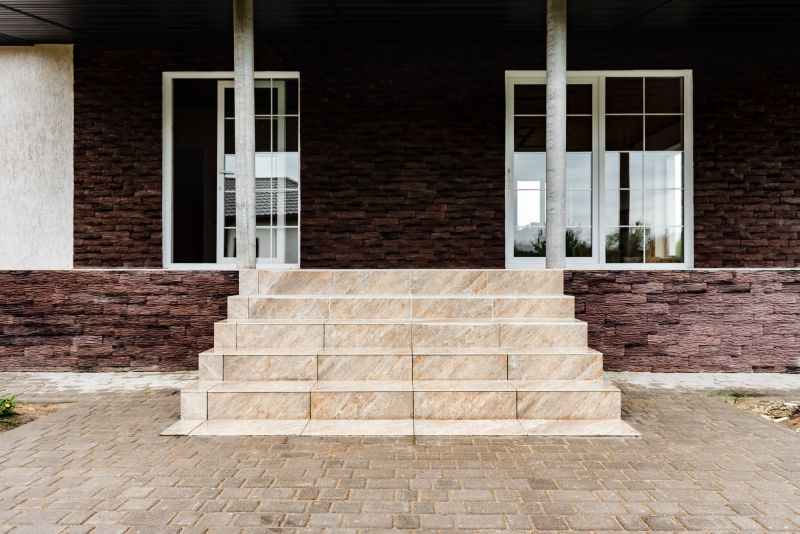

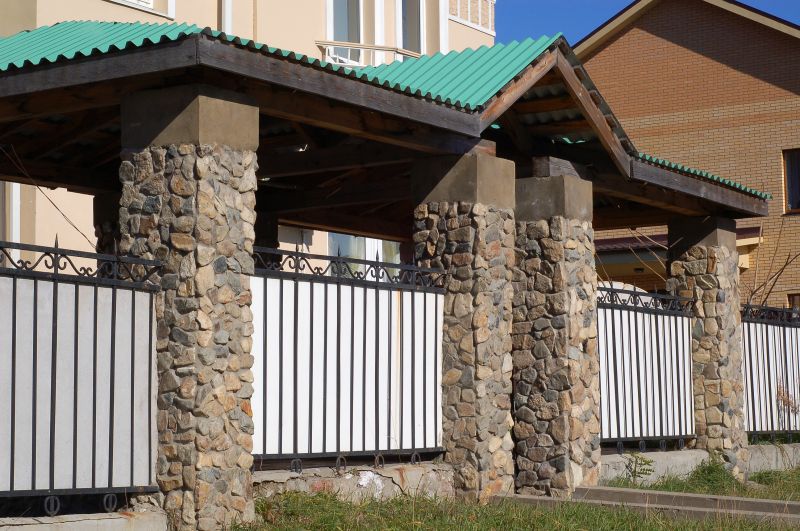
Stone column installation is a ground improvement technique used to stabilize and strengthen soil conditions. This process involves inserting vertical columns made of compacted stone or gravel into the ground to replace or reinforce weak or unstable soil layers. The installation typically begins with drilling or excavating holes in the affected area, followed by filling them with crushed stone or gravel and compacting the material to create a stable, load-bearing column. This method is effective in enhancing the overall stability of the soil, reducing settlement, and providing a solid foundation for various construction or landscaping projects.
This service is particularly useful in addressing problems related to soil instability, such as uneven settling, excessive shifting, or subsidence. It helps prevent structural damage to buildings, retaining walls, and other structures by improving the ground’s ability to support weight and resist movement. Stone columns are often used in projects where traditional foundation methods may not be feasible or cost-effective, especially in areas with poor soil conditions. Homeowners experiencing issues like cracked walls, uneven floors, or sinking patios may find stone column installation to be a practical solution to stabilize their property.
Properties that typically utilize stone column installation include residential homes, commercial buildings, and landscape features that require enhanced ground support. These services are commonly sought in areas with soft or compressible soils, such as clay, silt, or loose fill. The technique is also used in preparing sites for new construction or renovation projects where soil conditions need to be improved before building. Whether for a small backyard patio or a large commercial development, local contractors can assess the specific needs of a property and recommend the appropriate ground stabilization methods.
Homeowners who notice signs of ground movement or structural issues may consider stone column installation as part of their property’s foundation repair or stabilization plan. This service can also be valuable during major landscaping or renovation projects that involve excavation or heavy construction. By working with experienced local service providers, property owners can ensure that the ground beneath their property is properly reinforced, helping to prevent future problems and supporting long-term stability. Contacting local contractors can provide tailored solutions suited to the specific soil conditions and property requirements.
The overview below groups typical Stone Column Installation projects into broad ranges so you can see how smaller, mid-sized, and larger jobs often compare in your area.
In many markets, a large share of routine jobs stays in the lower and middle ranges, while only a smaller percentage of projects moves into the highest bands when the work is more complex or site conditions are harder than average.
Smaller Repairs - Typical costs for minor stone column repairs or reinforcements range from $250-$600. Many routine jobs fall within this range, especially for localized fixes or small-scale installations.
Standard Installations - Most standard stone column installation projects cost between $1,000 and $3,000. This range covers common projects involving multiple columns or moderate site preparation handled by local contractors.
Larger Projects - Larger, more complex stone column installations can range from $3,500 to $8,000 or more. Fewer projects reach this tier, often involving extensive groundwork or custom design features.
Full Replacement - Complete replacement of existing stone columns typically costs $5,000 and up, depending on size and scope. Many full replacements fall into this higher range due to material and labor requirements.
Actual totals will depend on details like access to the work area, the scope of the project, and the materials selected, so use these as general starting points rather than exact figures.
Soil Stabilization Projects - Local contractors skilled in soil stabilization use similar techniques and equipment as stone column installation to improve ground stability.
Deep Foundation Piling - Piling projects require planning, drilling, and installation methods comparable to those used in stone column systems for load-bearing support.
Ground Improvement Services - Ground improvement projects often involve injecting or installing materials underground, similar to the process of installing stone columns.
Retaining Wall Construction - Building retaining walls involves site preparation and foundation work that overlap with the planning and execution of stone column installation.
Geotechnical Soil Testing - Soil testing provides essential data for ground reinforcement projects, aligning with the assessment phase of stone column installation.
Underpinning and Foundation Repair - Foundation repair services often require ground stabilization techniques akin to those used in stone column installation to support existing structures.
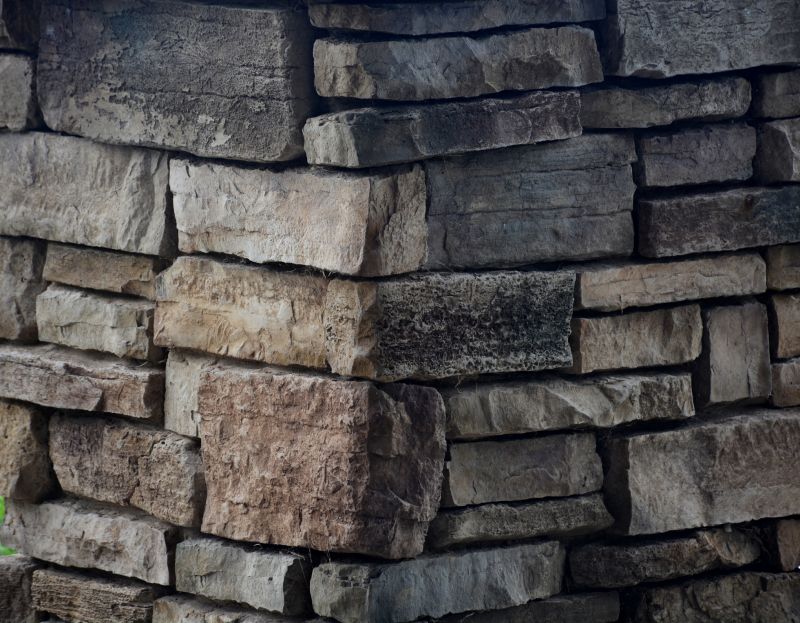
When comparing local contractors for stone column installation, it’s important to consider their experience with similar projects. Homeowners should inquire about the types of projects the service providers have completed in the past, ensuring they have a track record of handling work comparable in scope and complexity. A contractor with relevant experience is more likely to understand the specific challenges involved and deliver results that meet expectations. Gathering information about their previous work can help determine if they have the practical knowledge needed for successful installation.
Clear written expectations are essential when evaluating potential service providers. Homeowners should seek detailed descriptions of the scope of work, materials used, and the steps involved in the installation process. Having this information in writing helps prevent misunderstandings and ensures everyone is aligned on project goals. Reputable contractors typically provide comprehensive proposals or estimates that outline what will be done, giving homeowners confidence that the project’s requirements are understood and agreed upon before work begins.
Good communication and reputable references are key indicators of a reliable local contractor. Homeowners are encouraged to ask for references from previous clients who had similar projects completed. Speaking with past customers can provide insights into the contractor’s professionalism, reliability, and quality of work. Additionally, choosing service providers who communicate clearly and promptly can make the process smoother and more transparent. While the site introduces homeowners to local options, it’s important to verify these qualities directly with potential contractors to find the best match for the project.
Property owners use Stone Column Installation services for practical projects around their homes and businesses. This guide focuses on everyday jobs and straightforward project options.
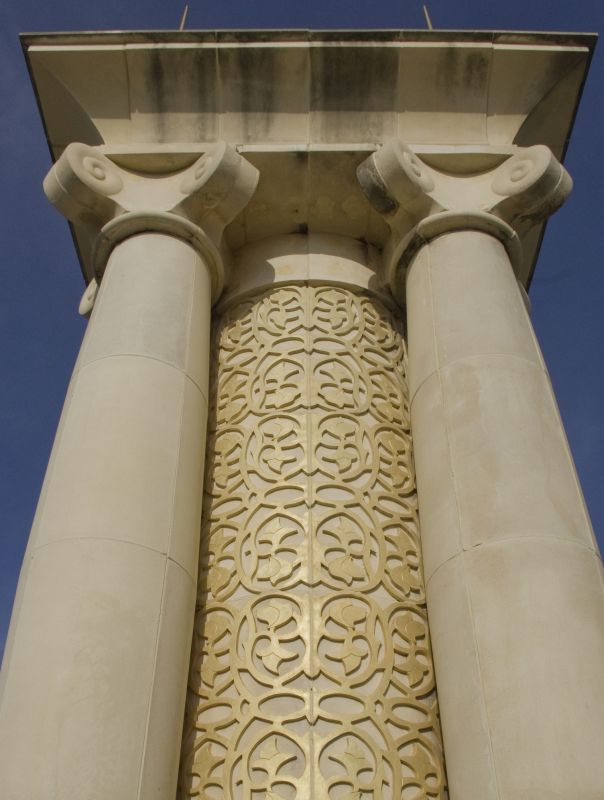
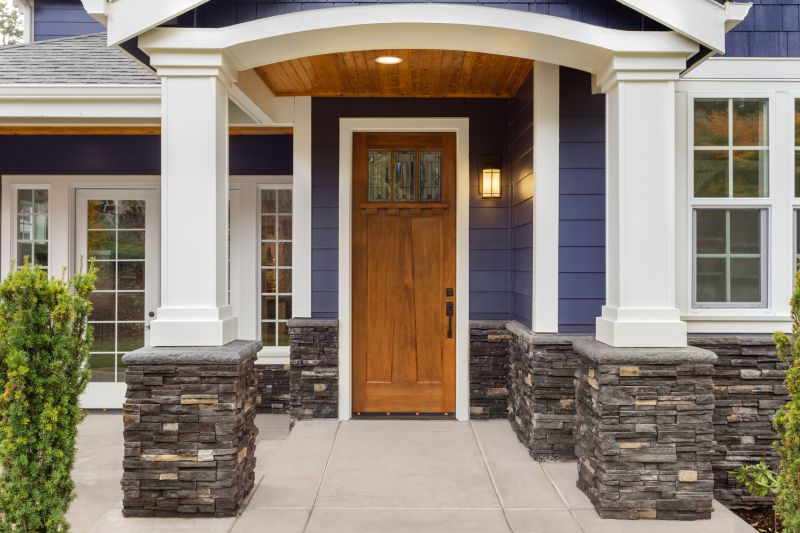
Stone column installation services are often needed when property owners face issues related to soil stability or drainage problems. For example, if a property is experiencing uneven settling or foundation concerns, local contractors skilled in stone column work can provide solutions to improve ground support. Additionally, property owners dealing with water drainage challenges during heavy rains may seek these services to enhance soil compaction and prevent water from pooling or causing erosion around their property.
Many property owners turn to stone column installation when preparing land for construction or landscaping projects. This method can help strengthen weak or loose soils, making it suitable for building patios, driveways, or extensions. Local service providers are equipped to assess site conditions and recommend appropriate solutions, ensuring the ground is properly stabilized to support future development or landscaping efforts.
What are stone columns used for in construction? Stone columns are typically used to improve soil stability, reduce settlement, and provide support for foundations or retaining structures.
How do local contractors install stone columns? Contractors often use specialized equipment to drill and fill columns with compacted stone or gravel, ensuring proper alignment and stability.
Are stone columns suitable for all types of soil? Stone columns are most effective in soft or loose soils but may require assessment by a professional to determine suitability for specific site conditions.
What preparations are needed before installing stone columns? Site evaluation and soil testing are usually recommended to ensure proper installation and performance of the stone columns.
How do local service providers ensure quality in stone column installation? Experienced contractors follow industry best practices, use quality materials, and adhere to project specifications to deliver reliable results.
Foundation Stabilization - Property owners can use stone column installation to strengthen and stabilize uneven or shifting soil around existing structures.
Soil Improvement - This service helps improve soil bearing capacity for new landscaping projects or additions, ensuring a solid base.
Drainage Enhancement - Stone columns can be part of a drainage system to prevent water pooling and protect foundations from water damage.
Retaining Wall Support - Installing stone columns provides added support for retaining walls, helping to manage soil pressure effectively.
If you are thinking about Stone Column Installation for a property, this guide is meant to help you understand the work, the typical project types, and how different options might fit your plans.
When you are ready, you can use the quote form on this page to share a few details about your project. From there, local pros can review the basics and respond with options that match what you have in mind.